

Designing and Planning of Operation theaters
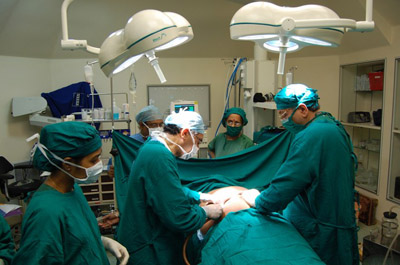
Designing and Planning of Operation Theaters (OT) complex is one of the most critical aspects of hospital architecture. A well-planned OT is not merely a room for surgery; it is a highly engineered environment designed to maximize clinical efficiency, ensure absolute sterility, and provide a safe workspace for medical professionals.
1. Zoning and Traffic Flow
Effective OT planning begins with the concept of zoning. To prevent cross-contamination, the complex must be divided into four distinct zones:
- Protective Zone: Entrance and changing rooms.
- Clean Zone: Recovery rooms and pre-operative holding.
- Aseptic Zone: The actual sterile operating rooms and scrub stations.
- Disposable Zone: Areas for dirty linen and waste removal.
Designing and Planning of Operation Theaters (OT) complex is one of the most critical aspects of hospital architecture. A well-planned OT is not merely a room for surgery; it is a highly engineered environment designed to maximize clinical efficiency, ensure absolute sterility, and provide a safe workspace for medical professionals.
1. Zoning and Traffic Flow
Effective OT planning begins with the concept of zoning. To prevent cross-contamination, the complex must be divided into four distinct zones:
- Protective Zone: Entrance and changing rooms.
- Clean Zone: Recovery rooms and pre-operative holding.
- Aseptic Zone: The actual sterile operating rooms and scrub stations.
- Disposable Zone: Areas for dirty linen and waste removal.
One-way traffic flow—where sterile supplies enter from one side and soiled materials exit through another—is essential to maintaining a “clean-to-dirty” progression.
2. Environmental Control and HVAC
The heart of OT design is the Heating, Ventilation, and Air Conditioning (HVAC) system. Modern suites utilize Laminar Air Flow (LAF), which directs ultra-clean, HEPA-filtered air in a unidirectional stream over the surgical site. This system maintains positive pressure within the room, ensuring that when a door opens, air flows out rather than allowing contaminated air to flow in.
3. Ergonomics and Equipment Integration
Planning must account for the physical footprint of pendants, surgical lights, and anesthesia machines. Ceiling-mounted pendants are preferred over floor-standing units to keep the floor clear of cables, reducing trip hazards and making the room easier to disinfect. Strategic placement of the Surgeon Control Panel allows for the centralized management of lighting, temperature, and medical gas alarms.
4. Material Selection
Surfaces in an OT must be non-porous and seamless. Stainless steel or high-pressure laminate (HPL) panels are typically used for walls, while anti-static, conductive flooring is used to prevent electrical interference with sensitive life-support equipment.
By meticulously planning these elements, healthcare facilities can reduce surgical site infections, improve patient outcomes, and create a future-proof environment ready for the next generation of medical technology.
You must be logged in to post a review.
MAECENAS IACULIS
Vestibulum curae torquent diam diam commodo parturient penatibus nunc dui adipiscing convallis bulum parturient suspendisse parturient a.Parturient in parturient scelerisque nibh lectus quam a natoque adipiscing a vestibulum hendrerit et pharetra fames nunc natoque dui.
ADIPISCING CONVALLIS BULUM
- Vestibulum penatibus nunc dui adipiscing convallis bulum parturient suspendisse.
- Abitur parturient praesent lectus quam a natoque adipiscing a vestibulum hendre.
- Diam parturient dictumst parturient scelerisque nibh lectus.
Scelerisque adipiscing bibendum sem vestibulum et in a a a purus lectus faucibus lobortis tincidunt purus lectus nisl class eros.Condimentum a et ullamcorper dictumst mus et tristique elementum nam inceptos hac parturient scelerisque vestibulum amet elit ut volutpat.
Related products

BioSafety Cabinet Class II Type A2
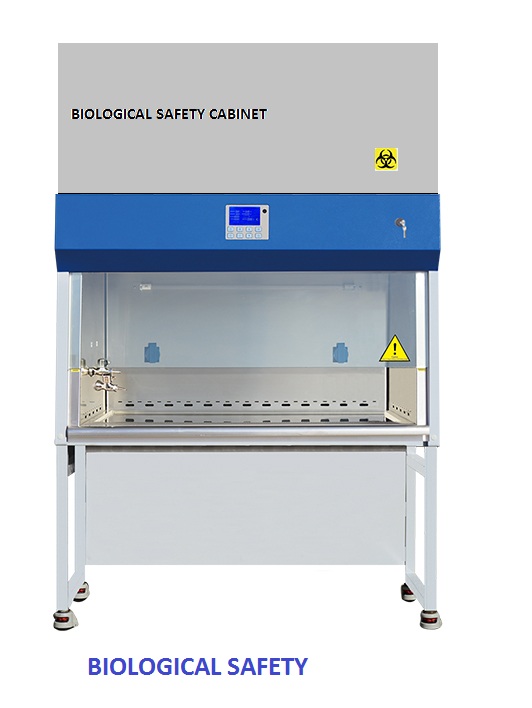
Bio Safety Cabinet Class II Type A2
BioSafety Cabinet Class II Type A2 is the best option for laboratories where the hazardous substance can be exposed in the air and contaminate it and it is very useful to save the human beings as well as lab operators. BioSafety Cabinet is also called biological safety cabinet. We are manufacturer of BioSafety Cabinet Class II Type A2 in Pakistan for more than a decade. We have ample experience in manufacturing and providing back-up and support to the technical staff. For more information about BioSafety Cabinet Class II Type A2 in Pakistan or anywhere in the world please feel free to contact us at +923224602203 (whatsapp or call) you can also email us at info@zirarenterprises.com, zirarenterprises@gmail.com or log on to our website www.zirarenterprises.comTechnical Specification:
- Support stand with wheels
- For product, personal and Environmental Protection
- Supply Filter size = 48 “ 24” x 3”
- 30% exhaust air filter size 12” x 12” x 3”
- Average air velocity = 80- 110 F.P.M
- Inner base and three sides are made up of S.S 304 18 SWG with perforation
- Outer side is made up of 18 SWG galvanized Powder coated sheet
- With florescent and U.V lamp
- With gas connection point optional
- One electric socket inside the chamber
- Front sash is of Acrylic sheet with motorized movement
- External dimension 56” x 35” x 80” Approx ( May change a little during fabrication) height is included with stand
- Digital controlled with LCD display ( Built in hour meter for the filter life’s )
- One Year Parts Warranty
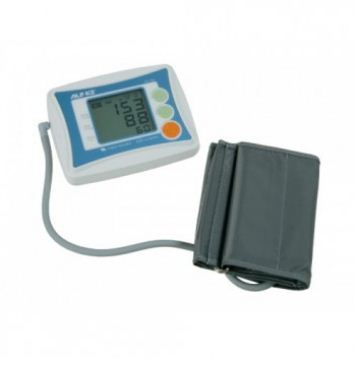

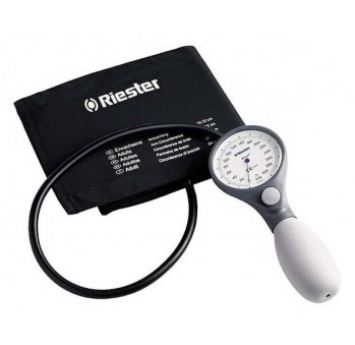
BP Aneroid Riester Germany
BP Aneroid Riester Germany
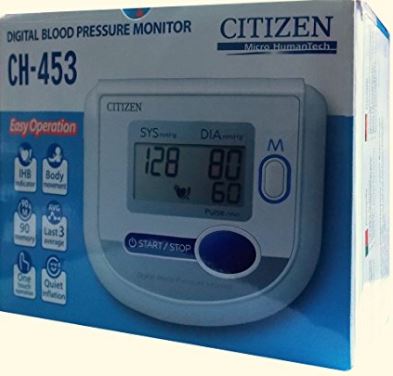
BP Aneroid Riester Germany isn't your average aneroid blood pressure monitor. Sure, it fits snugly in the palm of your hand, making it portable and convenient. But within that compact design lies a powerhouse of features that cater to both healthcare professionals and self-monitoring individuals.
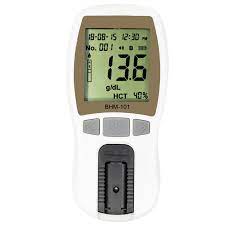
Handheld Hemoglobin Meter BHM-101
Handheld Hemoglobin Meter BHM-101
Handheld Hemoglobin Meter BHM-101 is one of the best and most reliable Handheld Portable Hemoglobin Meter the sensors are made by the German Technology and it is one the best quality Hemoglobin Meters used worldwide. The best thing about these meters are that Patients don't have to go through the Lab tests in order to have their Hemoglobin Analysis. Handheld Hemoglobin Meter BHM-101 is very useful for the patients having low Hemoglobin in their blood stream. For more information please feel free to contact us. Handheld Hemoglobin Meter BHM-101 by Sinocare Please Click here to see our Full Range of Portable MetersSpecification:
| Methodology | Reflectance photometer |
| Measurement Range: | HB:4.5-25.6g/dL,45-256g/dL2.8-15.9mmol/L |
| Specimen: | Whole blood(capillaryandvenous) |
| Power Source: | 1200mAhbuilt-inlithiumbatterySuperLCD |
| Battery Endurance: | Aftercyclecharge300times,electricquantityreduce30% |
| Unitsof Measurement: | g/dL,g/L,mmol/L |
| Sample Volume: | 10μL |
| TestT ime: | 15seconds |
| Memory: | 800records |
| Automatic ShutOff | 5minutesafterlastuse |
| Meter Size: | 136*65*25mm(L*W*H) |
| Weight: | 90g |
| Meter Storage Conditions: | 0-55C;≤90% RH |
| System Operating Conditions: | 10-40°c;≤90% RH;height<altitude2000m |
| Test strip Storage Conditions: | 2~30C;s90% RH |
| Warranty Period: | 2 years |
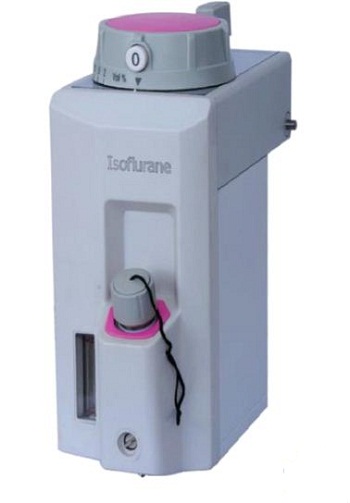
Isoflurane Vaporizer MDX USA
Isoflurane Vaporizer MDX USA
Isoflurane Vaporizer MDX USA Model: Hiper 2000 is one of the best anesthetic vaporizer in the world made by MDX Instruments USA, it efficiently filters the anesthetic agents and provides gas flow. The Hiper 2000 serial anesthetic vaporizer combine the feature of ergonomics, accuracy safety and reliability, HIPER 2000 vaporizer with the sophisticated design would provide a reliable and safe solution in filler types and mounting types, Features:- Innovative latest design of delivery system, Hiper vaporizer delivery accurate concentrations under varying conditions of variable flowrate, pressure etc
- HIPER 2000 vaporizers are calibrated by the skilled technicians. The advanced temperature-compensation system can make the concentration delivery stable.
- Hiper 2000 is designed sophisticated and manufactured strictly conforming to the test standards i.e. ISO8835-4.
- HIPER 2000 vaporizer have been made by special high tech materials, which prove the anti-corrosion from agents, beside with special rubber gaskets, it can make sure agent leak proof and corrosion resistant,.
- HIPER 2000 vaporizer have safety locking device to prevent the anesthetic gas volatile accidentally.
- No need for the routing maintenance to HIPER vaporizers, it can provide the life long free calibration service,
- Flow Meter: 0.2-15:.Min - 0.2-10L/min for concentration > 5%
- Temperature 15 ~+35 Degree Celsius
- Humidity: 0-95%
- Atmospheric Pressure: 70-106Pa
- Storage/Transport Environment: Temperature -40 ~+65 degree Celsius
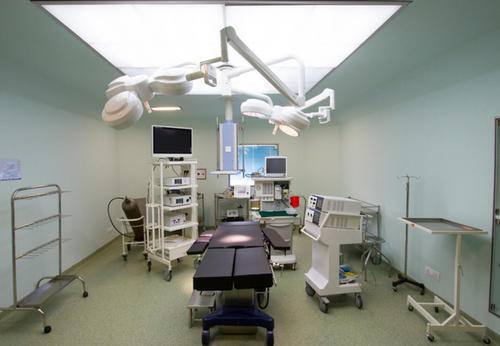
Stainless Steel Modular Operating Theatre
| Component | Technical Specification |
| Wall & Ceiling Panels | 1.2mm thick Stainless Steel (SS 304) or HPL panels with antibacterial coating and PUF insulation. |
| Air Filtration | Laminar Air Flow (LAF) system with HEPA filters (99.97% efficiency at 0.3 microns). |
| Flooring | 2mm thick anti-static, conductive, and bacteriostatic PVC/Vinyl flooring with seamless coving. |
| Surgeon Control Panel | 6 to 9-tile membrane or touchscreen panel for controlling HVAC, lighting, and medical gas alarms. |
| Doors | Hermetically sealed, automatic sliding doors with hand/foot sensors and emergency release. |
| Lighting | Shadowless LED surgical lights (up to 160,000 Lux) with adjustable color temperature. |
| Medical Gas Pendants | Ceiling-mounted, rotatable units for anesthesia and surgical gas outlets. |
| Sterile Access | Dynamic/Static Pass Box with UV light for transferring surgical instruments. |

Reviews
There are no reviews yet.