

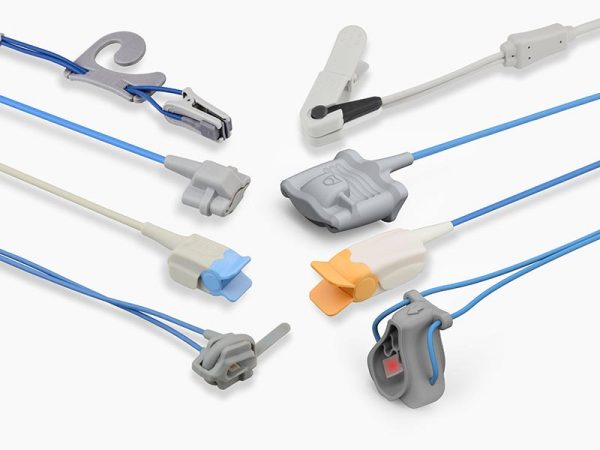

ADULT INFANTS SPO2 PROBES
ADULT INFANTS SPO2 PROBES
ADULT INFANTS SPO2 PROBES. A SpO2 probe is a device that is used commonly in Patient Monitors, Cardiac or Multi-Parameter Monitors in order to measure the oxygen saturation level in the blood. It is a common feature of patient monitors, which are devices that are used to track and record a patient’s vital signs.
There are two main types of SpO2 probes: fingertip probes and earlobe probes. Fingertip probes are the most common type and are easy to use. They are placed on the fingertip and a sensor in the probe measures the amount of light that is absorbed by the blood.
ADULT INFANTS SPO2 PROBES
ADULT INFANTS SPO2 PROBES. A SpO2 probe is a device that is used commonly in Patient Monitors, Cardiac or Multi-Parameter Monitors in order to measure the oxygen saturation level in the blood. It is a common feature of patient monitors, which are devices that are used to track and record a patient’s vital signs.
There are two main types of SpO2 probes: fingertip probes and earlobe probes. Fingertip probes are the most common type and are easy to use. They are placed on the fingertip and a sensor in the probe measures the amount of light that is absorbed by the blood.
Earlobe probes are less common but can be more accurate than fingertip probes. They are placed on the earlobe and a sensor in the probe measures the amount of light that is reflected by the blood.
Multi-parameter patient monitors can measure a variety of vital signs, including SpO2, heart rate, blood pressure, and respiratory rate. They can also display other information, such as the patient’s temperature and ECG waveform.
Multi-parameter patient monitors are used in a variety of settings, including hospitals, clinics, and home healthcare. They are used to monitor patients who are critically ill or who are at risk for developing complications.
Here are some of the benefits of using SpO2 probes for patient monitors:
- They are a non-invasive way to measure oxygen saturation.
- They are easy to use and can be placed on the finger or earlobe.
- They are relatively accurate and can provide real-time measurements.
- They can be used to monitor patients who are critically ill or who are at risk for developing complications.
- Here are some of the benefits of using multi-parameter patient monitors:
- They can measure a variety of vital signs, providing a comprehensive overview of the patient’s condition.
- They can display information in real time, allowing healthcare providers to quickly identify and respond to changes in the patient’s condition.
- They can be used to monitor patients in a variety of settings, from hospitals to home healthcare.
You must be logged in to post a review.
MAECENAS IACULIS
Vestibulum curae torquent diam diam commodo parturient penatibus nunc dui adipiscing convallis bulum parturient suspendisse parturient a.Parturient in parturient scelerisque nibh lectus quam a natoque adipiscing a vestibulum hendrerit et pharetra fames nunc natoque dui.
ADIPISCING CONVALLIS BULUM
- Vestibulum penatibus nunc dui adipiscing convallis bulum parturient suspendisse.
- Abitur parturient praesent lectus quam a natoque adipiscing a vestibulum hendre.
- Diam parturient dictumst parturient scelerisque nibh lectus.
Scelerisque adipiscing bibendum sem vestibulum et in a a a purus lectus faucibus lobortis tincidunt purus lectus nisl class eros.Condimentum a et ullamcorper dictumst mus et tristique elementum nam inceptos hac parturient scelerisque vestibulum amet elit ut volutpat.
Related products


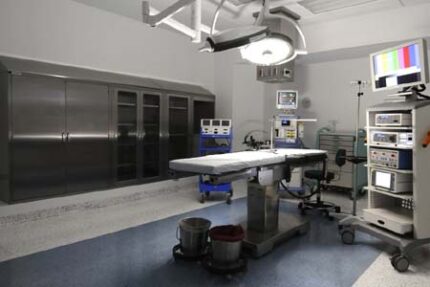
Designing and planning of ICU
Designing and planning of ICU
For Designing and planning of ICU. We have one best expertise in designing and planning of intensive care unit (ICU) we have ample experience in this category. We already manufactured and installed it to one of the best and renowned hospitals nation wide for more information please contact 0322-4602203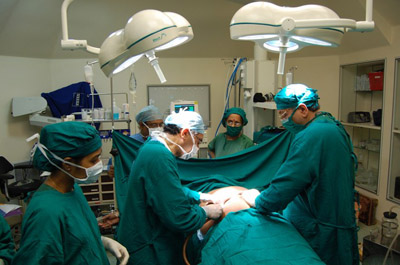
Designing and Planning of Operation theaters
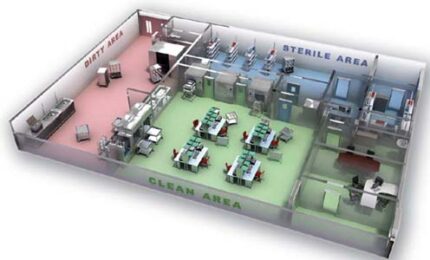
- Protective Zone: Entrance and changing rooms.
- Clean Zone: Recovery rooms and pre-operative holding.
- Aseptic Zone: The actual sterile operating rooms and scrub stations.
- Disposable Zone: Areas for dirty linen and waste removal.
Laminar Air Flow System
Laminar Air Flow System
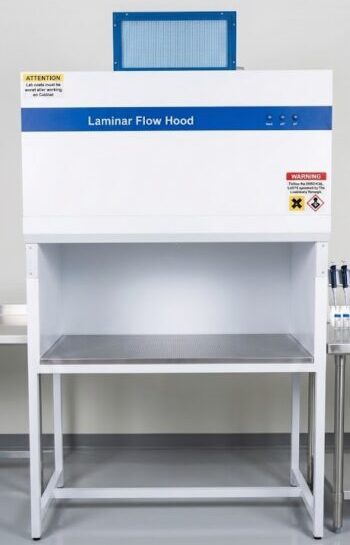
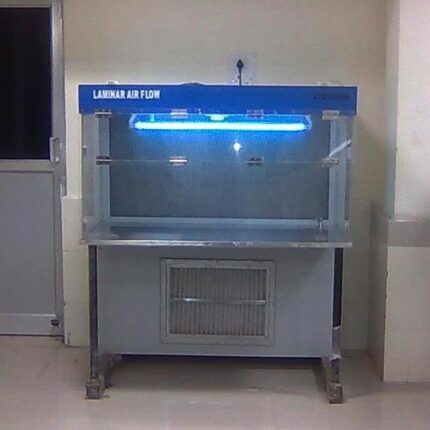
Laminar Air Flow System or Laminar Flow Cabinet is an enclosed workstation designed to prevent contamination of biological samples, sensitive materials, or semiconductor wafers. It works by drawing air through a filtration system (HEPA or ULPA) and exhausting it across the work surface in a smooth, unidirectional stream. What we manufacture is as under: -- LAMINAR AIR FLOW SYSTEM
- LAMINAR FLOW HOOD
- CEILING SUSPENDED LAMINAR AIR FLOW SYSTEM (CLAF)
- ISO Class 5 Cleanroom Standard: Continuous stream of clean air protects sensitive samples from airborne particulates and contaminants.
- H14 HEPA Filtration System: Filters out 99.99% of airborne particles down to 0.3 micrometers, supported by a washable pre-filter to extend main filter lifespan.
- Durable 304 Stainless Steel Worktop: Seamless, easy-to-clean, corrosion-resistant work surface designed for daily heavy-duty laboratory use.
- Built-in UV Sterilization: High-intensity 254nm UV germicidal lamp for effortless surface decontamination between uses.
- Digital Touch Panel & Microprocessor Control: Effortlessly adjust fan speed, set UV exposure timers, and monitor airflow velocity in real time.
- Quiet & Energy Efficient: High-performance, low-vibration EC blower provides stable air velocity while keeping noise levels below 60 dB.
- Plant & Animal Tissue Culture
- Microbiology & Non-Hazardous Cell Prep
- Electronics, Optics, & Semiconductor Assembly
- Compounding Pharmacy & Media Preparation
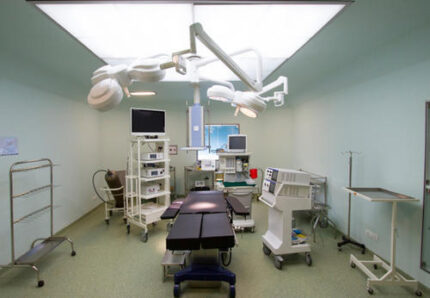
Stainless Steel Modular Operating Theatre
- Stainless Steel Modular Theatres, can also be applied with Lamiguard Wall Cladding
- Dampa Ceiling
- Homogenous Vinyl Flooring
- Stainless Steel Doors
- Surgical Hand Scrub Station
| Component | Technical Specification |
| Wall & Ceiling Panels | 1.2mm thick Stainless Steel (SS 304) or HPL panels with antibacterial coating and PUF insulation. |
| Air Filtration | Laminar Air Flow (LAF) system with HEPA filters (99.97% efficiency at 0.3 microns). |
| Flooring | 2mm thick anti-static, conductive, and bacteriostatic PVC/Vinyl flooring with seamless coving. |
| Surgeon Control Panel | 6 to 9-tile membrane or touchscreen panel for controlling HVAC, lighting, and medical gas alarms. |
| Doors | Hermetically sealed, automatic sliding doors with hand/foot sensors and emergency release. |
| Lighting | Shadowless LED surgical lights (up to 160,000 Lux) with adjustable color temperature. |
| Medical Gas Pendants | Ceiling-mounted, rotatable units for anesthesia and surgical gas outlets. |
| Sterile Access | Dynamic/Static Pass Box with UV light for transferring surgical instruments. |

Reviews
There are no reviews yet.